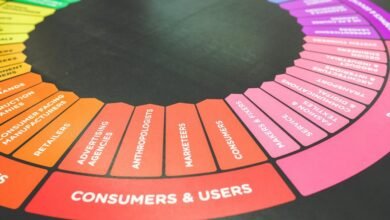
Smart Business Optimization 120956084 for Results emphasizes the importance of systematic analysis in enhancing organizational efficiency. By identifying critical areas for improvement, companies can streamline operations effectively. The integration of technology and analytics plays a crucial role in facilitating informed decision-making. However, the challenge lies in measuring success accurately. Key metrics such as conversion rates and customer satisfaction must be tracked diligently to ensure progress. What strategies can organizations implement to align their optimization efforts with broader strategic goals?
Understanding Smart Business Optimization Principles
Smart Business Optimization principles serve as the foundational framework for enhancing organizational efficiency and effectiveness.
These principles guide the development of business strategies that prioritize operational efficiency. By systematically analyzing processes and reallocating resources, organizations can identify inefficiencies and streamline operations.
Ultimately, this structured approach empowers businesses to achieve their goals while maximizing productivity and fostering a culture of continuous improvement.
Identifying Key Areas for Optimization in Your Business
How can organizations effectively pinpoint areas that require optimization?
By conducting thorough assessments of resource allocation and identifying inefficiencies, businesses can highlight opportunities for process streamlining.
This analytical approach enables decision-makers to focus on critical functions that impact productivity and profitability.
Ultimately, systematic evaluation fosters an environment of continuous improvement, empowering organizations to achieve greater operational freedom and enhanced performance.
Leveraging Technology and Analytics for Enhanced Decision-Making?
As organizations increasingly turn to data-driven strategies, leveraging technology and analytics becomes essential for informed decision-making.
Utilizing predictive analytics enables businesses to anticipate trends, optimize resources, and make proactive adjustments.
By integrating advanced technologies, companies can enhance their capacity for data-driven decisions, ensuring they remain agile and responsive in a dynamic market landscape.
Ultimately, this fosters growth and sustained competitive advantage.
Measuring Success: Metrics to Track Your Optimization Efforts
What specific metrics should organizations prioritize to effectively gauge their optimization efforts?
Key success indicators include conversion rates, customer satisfaction scores, and operational efficiency metrics.
Establishing performance benchmarks allows organizations to compare their progress against industry standards.
Conclusion
In the ever-evolving landscape of business, the pursuit of optimization remains both a challenge and an opportunity. As organizations delve into systematic analysis and resource reallocation, they stand on the brink of transformation. Yet, the path is fraught with uncertainties; will they harness technology and analytics effectively, or falter in their efforts? The metrics they choose to track could spell success or reveal hidden pitfalls. Ultimately, the quest for smart business optimization may hold the key to their survival in a competitive world.